
 Image 1 of 2
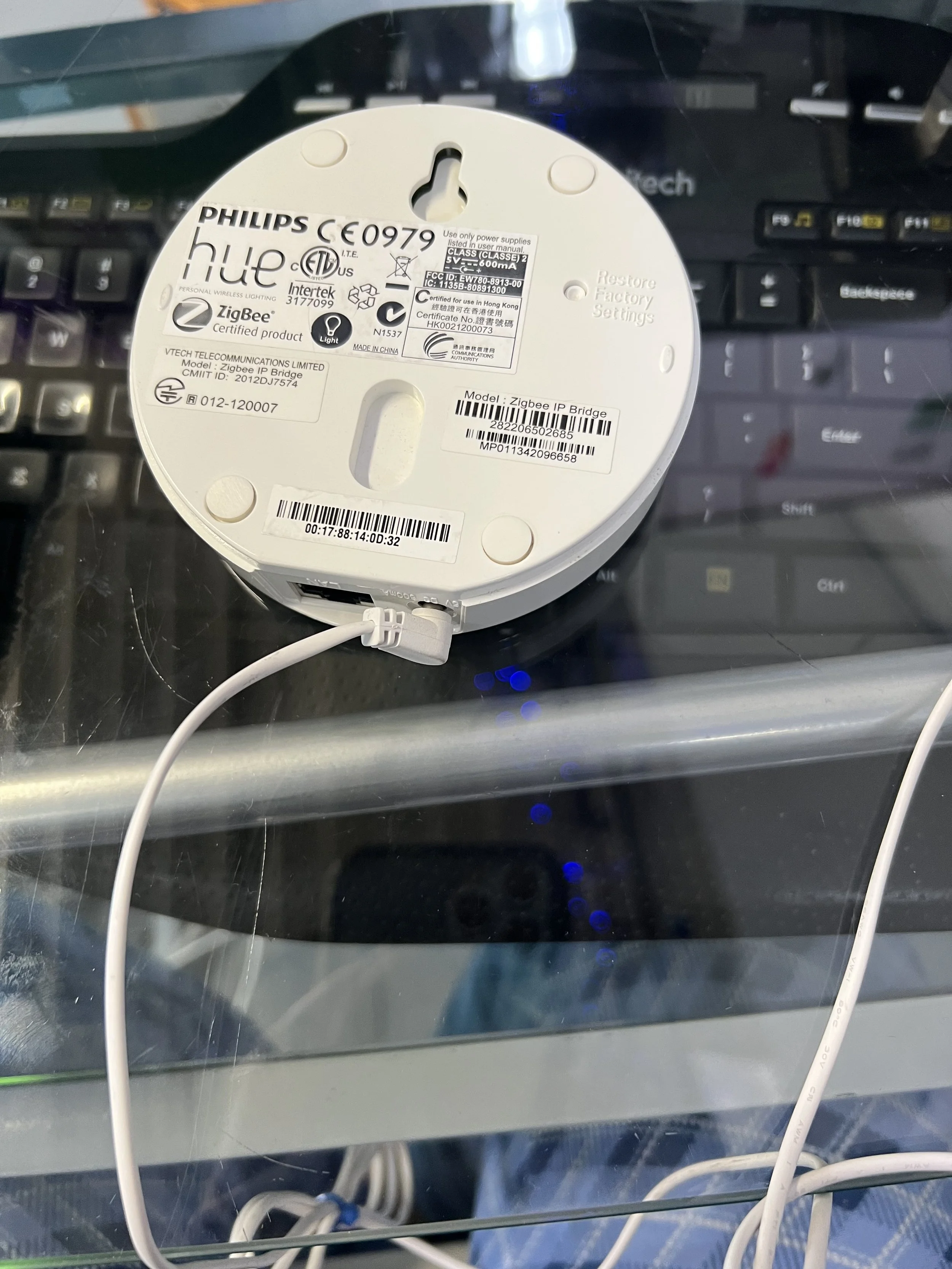 Image 2 of 2
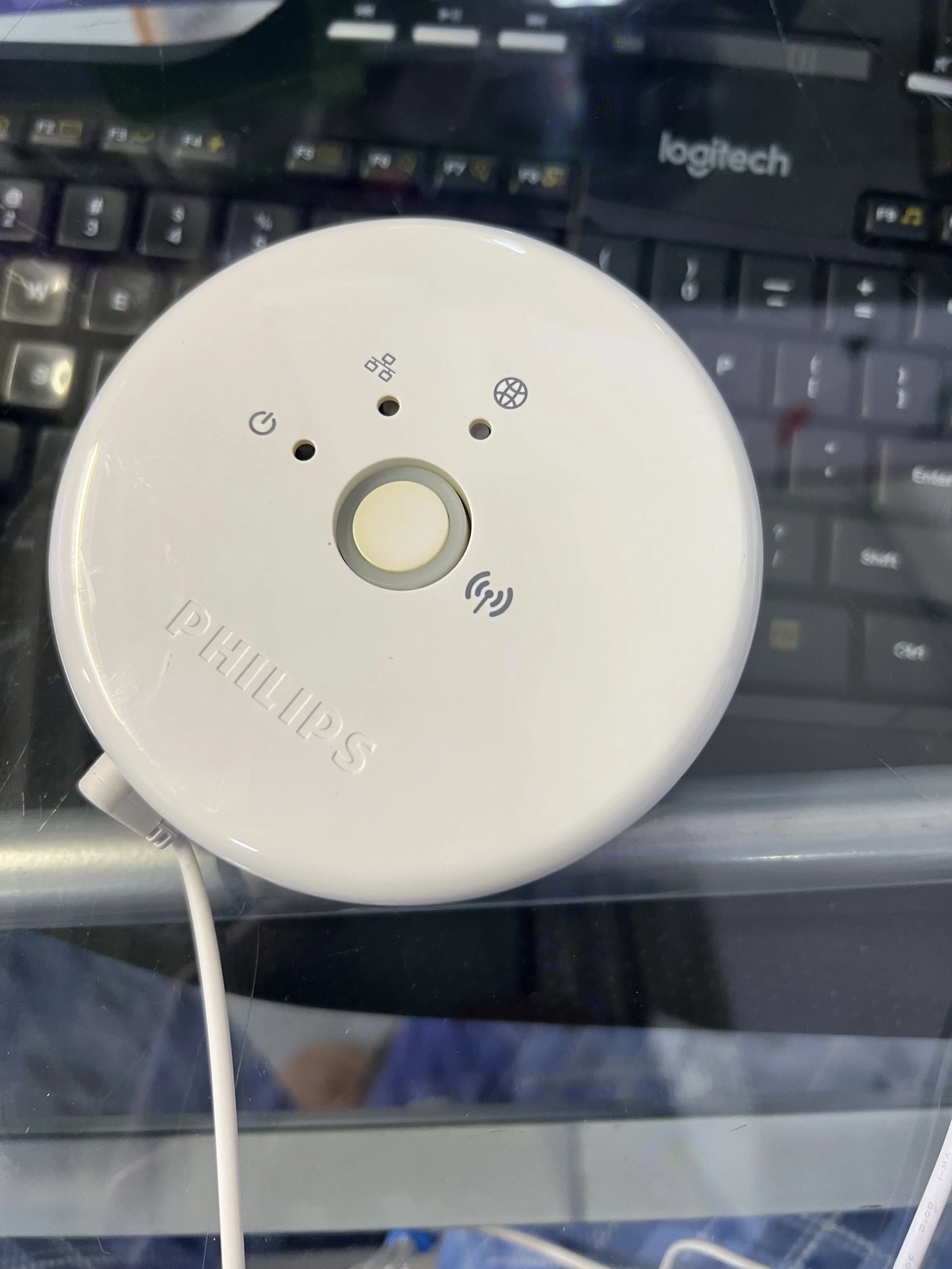
Philips Hue Bridge v1 (1st generation)
The Philips Hue Bridge (1st generation) is the original hub that brought smart lighting to the home, enabling wireless control of Philips Hue bulbs and accessories via Zigbee. Released in the early years of the Hue ecosystem, this white, square bridge connects to a home router by Ethernet and allows centralized control, scheduling, and basic automation through the Hue app. It supports voice assistants and third‑party integrations available at the time of its release, and it can manage multiple bulbs, scenes, and simple routines.
Important notes for reuse or recycling: the v1 Bridge is now obsolete for the latest Hue features and security updates—Philips has discontinued support for this model, and some recent firmware-dependent services and integrations may not function. However, it remains useful for basic local control with legacy Hue bulbs or as a parts source (power adapter, PCB, Ethernet port) for repair projects. If you’re recycling, consider data-wiping network credentials where possible and separate electronic components for proper e‑waste processing. At BOT Recycling, we recommend upgrading to a newer Bridge model for full feature support and retaining the v1 Bridge for hobbyist repairs or responsibly recycling its components.